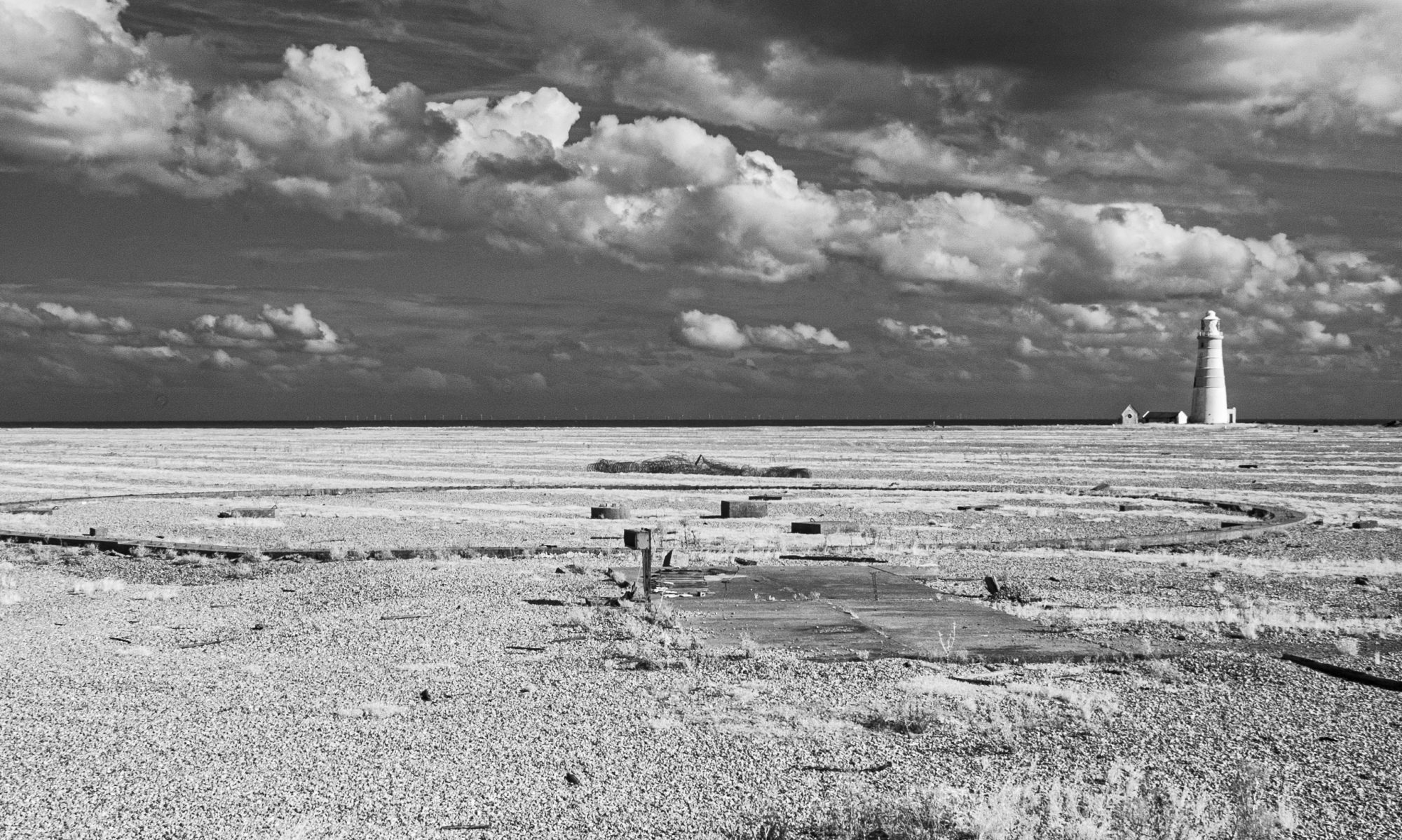
It should be noted that Bright’s essay was written 35 years ago. It’s really good to see a piece like this included within the coursework as there are times that the work we are guided to view is very male-dominated. Indeed I have a prejudiced view of having to read Barthes and Burke, both of which I perceive to be fusty old privileged white men droning on about topics which don’t always ‘feel’ relevant to me.
That’s my prejudice, a feminist chip that rattles away on my shoulder and it leads to a desire to change the conversation. Women’s connection to the Landscape has changed over these last 35 years. The Cowboy has begun to evolve into something new and Women have started to slot into that traditionally male identity of the heroic and the strong. I’m thinking of how Women have shone in endurance races, female scientists in Antarctica, an all female Nasa crew. (I might add that the rest of us Women, rather than celebrating these achievements are generally thinking “please don’t f*ck it up!”).
Going back to the beginning of Bright’s essay, she introduces us to the concept of the coffee table book which I think occupies the same status as the traditional 19th Century Landscape paintings. One, that you could afford it and two, that you had discerning taste in art.
Whether noble, picturesque, sublime or mundane, the landscape image bears the imprint of its cultural pedigree. It is a selected and constructed text, and while the formal choices of what has been included and excluded have been the focus of most art- historical criticism to date, the historical and social significance of those choices has rarely been addressed and even intentionally avoided.
(Bright, D. 2020)
I think it’s useful to note that since the writing of this essay, we have seen the emergence of social media platforms and digital photography sites. Buying a decent DSLR or owning a pretty good camera phone is widely accessible. The sheer volume of images digitally floating around out there is staggering. Many of these will be of tourist spots and iconic locations and so rather than to gaze in awe at the beauty of nature, rather we seek out to capture and ‘experience it’. The coffee table book has been replaced by our social media pages.
wilderness areas began to be claimed and named as refuges of timeless order in a changing world—“God’s gift to the American people”—to be preserved as a legacy for future generations.
(Bright, D. 2020)
I think it’s this ‘rise of the tourist’ that coincides with the continued interest in the landscape image. Whilst the early ‘art’ images of say Ansel Adams became the basis of the ‘merchandising’ of landscapes, a fact that Adams may not have been too keen on, and more political discussion from say the likes of Fay Godwin and Dorothea Lange, there is a desire to reconnect with Nature in response to a changing and increasingly industrialised landscape.
Beauty, preservation, development, exploitation, regulation: these are historical matters in flux, not essential conditions of landscapes. The political interests that landscape organization reveals are subjects that the practice of landscape photography has not clearly addressed.
(Bright, D. 2020)
Bright discusses the omission of female landscape photographers and the typical masculinisation of the landscape hence the ‘Marlbora Men’. At the time, Landscape photography celebrated form particularly in respect to subjects such as huge power stations, a monument to man’s ingenuity and the harnessing or capturing of the power of nature.
Men choose to act upon nature and bend it to their will while women simply are nature and cannot separate themselves from it.
(Bright, D. 2020)
And so we come back to the title of this essay, ‘Mother Nature and Marlbora Men’. The line that designates gendered distinctions and allocation of the landscape are softening as photography serves to document and question Climate change and environmental concerns, in particular the impact that that has on us as human beings rather than simply our impact on the natural world. So a different conversation begins to emerge and so to, the space that Landscape photography occupies.
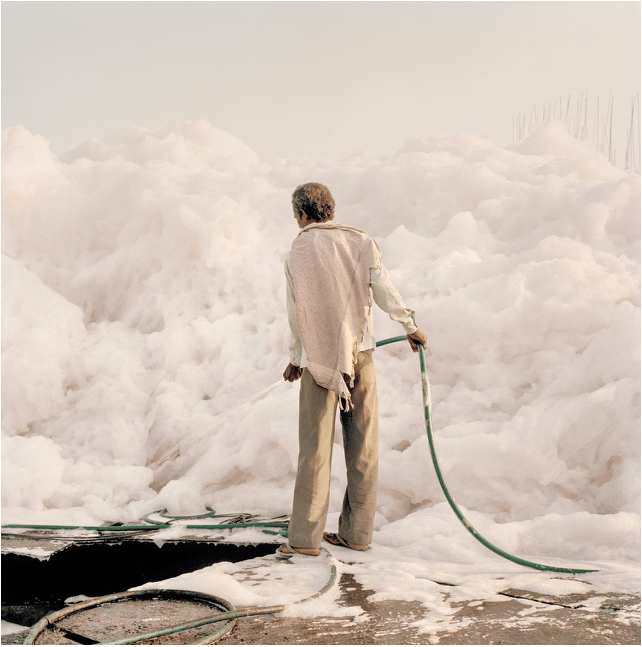
Giulio de Sturco, BJP, 2020 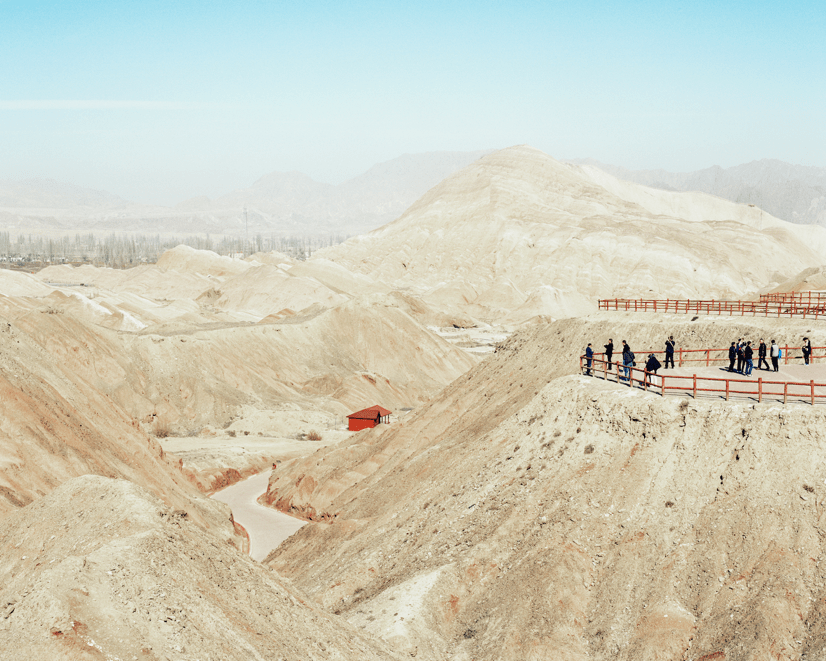
Catherine Hyland, BJP 2020
I’ve added these images because the aesthetic interests me. It’s an aesthetic that I believe we are seeing a lot of recently. It could be argued that it’s softness is feminine regardless of the gender of the photographer. It’s a different kind of ‘tourist view’. Rather than conquering nature, it shows us to be at the mercy of nature but also questions our place within the ‘natural world’.
Deborahbright.net. 2020. [online] Available at: <http://www.deborahbright.net/PDF/Bright-Marlboro.pdf> [Accessed 5 May 2020].
British Journal of Photography. 2020. Search For “Climate Change”. [online] Available at: <https://www.bjp-online.com/?s=climate+change&submit=Search> [Accessed 5 May 2020].

