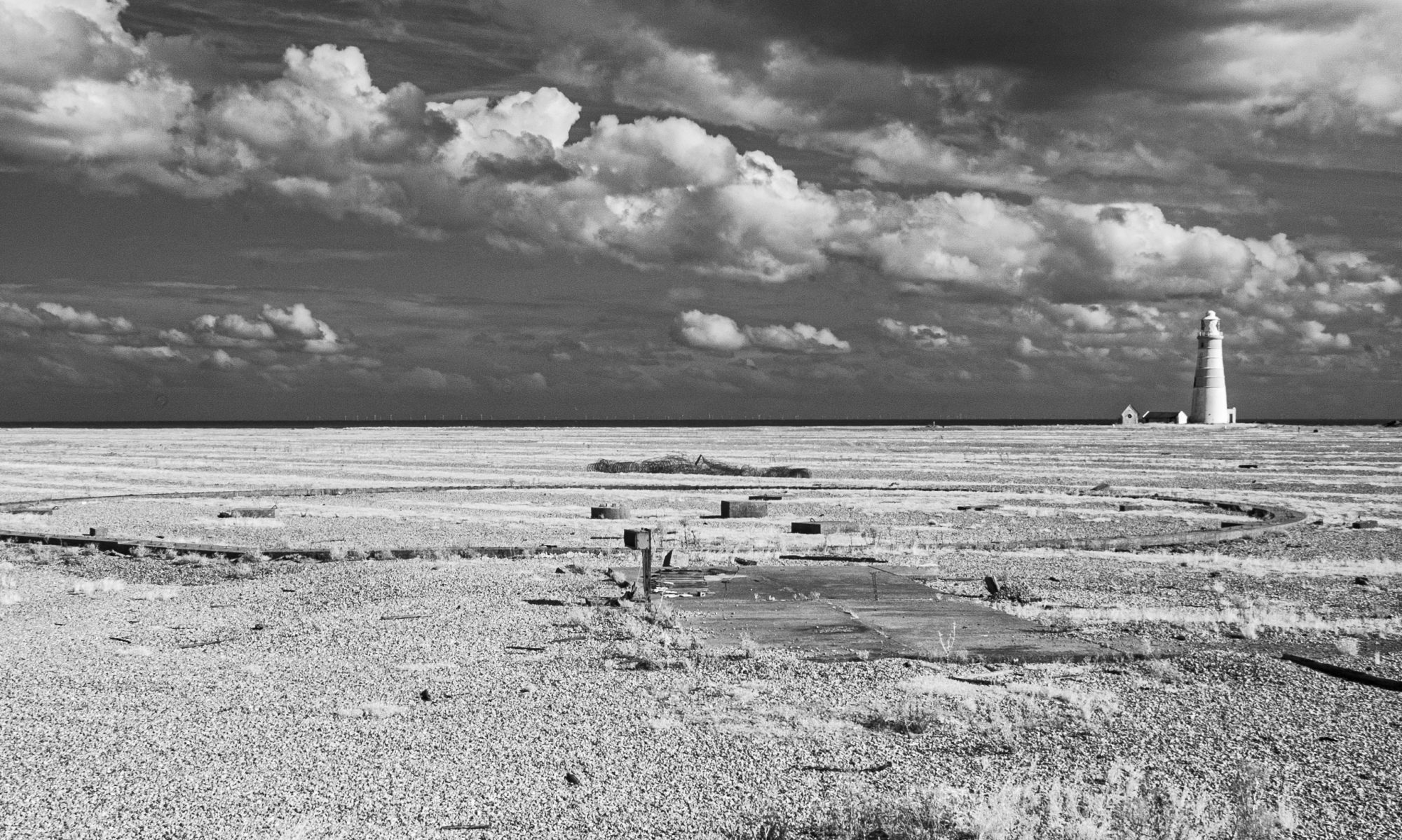
In his book, A Dream of England, John Taylor explores how our sense of national identity is explicitly linked to our Landscape or at least our ‘dream’ of our green and pleasant land. Our sense of patriotism and this form of ‘gentle nationalism’ has it’s roots in our links to the history of our Country. Kings and Queens in their castles, the battles fought defending our territory, Shakespeare, Chaucer and mythologies such as the King Arthur Story. Taylor states: “Landscape was a route to levels of emotion which were acceptably patriotic without being too nationalistic (in contrast to the warmongering fascists).” (Oca-student.com. 2020)
Taylor is specifically referring to the 1940’s but anxieties over the loss of our beautiful countryside began with the industrial revolution where mechanisation and industrialisation began to change the landscape around us. It may be that it was the acceleration of change which was unsettling and fears of losing those links to the past.
When we think of Britain at that time, most people would have had the view of Britain or England specifically as an array of neatly kept village greens, churches, fields of corn and sheep grazing on the hills. Constable’s Haywain for example is a classic visual narrative for how we as a country viewed ourselves regardless of poverty, crime, deprivation and social class. We do of course prefer the chocolate box view rather than stark reality.
Although prior to the second world war, Landscape had been a battleground for discussion on social inequality, fight for this chocolate box view was a unifying factor during the second world war, it was something to defend. There became a distinction between the apparent freedoms of the English way of life, cricket, afternoon tea and the civilised countryside views compared to the overly mechanised, militarised and restricted view of the German/fascist way of life.
The British landscape of course went through a significant transformation during wartime due to the threat of invasion. Identifying signs were removed, fences erected and movements restricted all in an effort to thwart the movements of a potential invader. That radical change in surroundings perhaps brought people together to defend not only their physical land but their own identity.
This dream of England endures. Brexit in some ways became a battleground for many to retain Englands identity and we witnessed a lot of that imagery from the second world war. The White Cliffs of Dover for example, a symbol of Britishness, the country pub and the villages afraid of invasion by fellow Europeans for fear of dilution of our Culture. Once again Britons felt they were defending their land.
Oca-student.com. 2020. [online] Available at: <https://www.oca-student.com/sites/default/files/oca-content/key-resources/res-files/a_dream_of_england_050313.pdf> [Accessed 3 May 2020].
 Landscape, Place and Environment