Land is a valuable commodity. There was a time when the distinction between urban and rural landscapes was clear. Urban areas were a testament to man’s progress and commerce. They could be seen as industrial and technological advancement, busyness and bustle compared to the slow paced rural idyllic life portrayed within Romantic art which has been synonymous with the chocolate box ideal.
With our growing population and mechanisation that line is now distinctly blurred. Our ‘countryside’ once considered natural and ‘wild’ is now a kind of managed wildness. National parks for example have to be able to earn their keep and are managed as leisure spaces. Green spaces within urban areas, known for their importance for community and well-being are themselves managed, kept and to some extent monetised with cafes and activities.
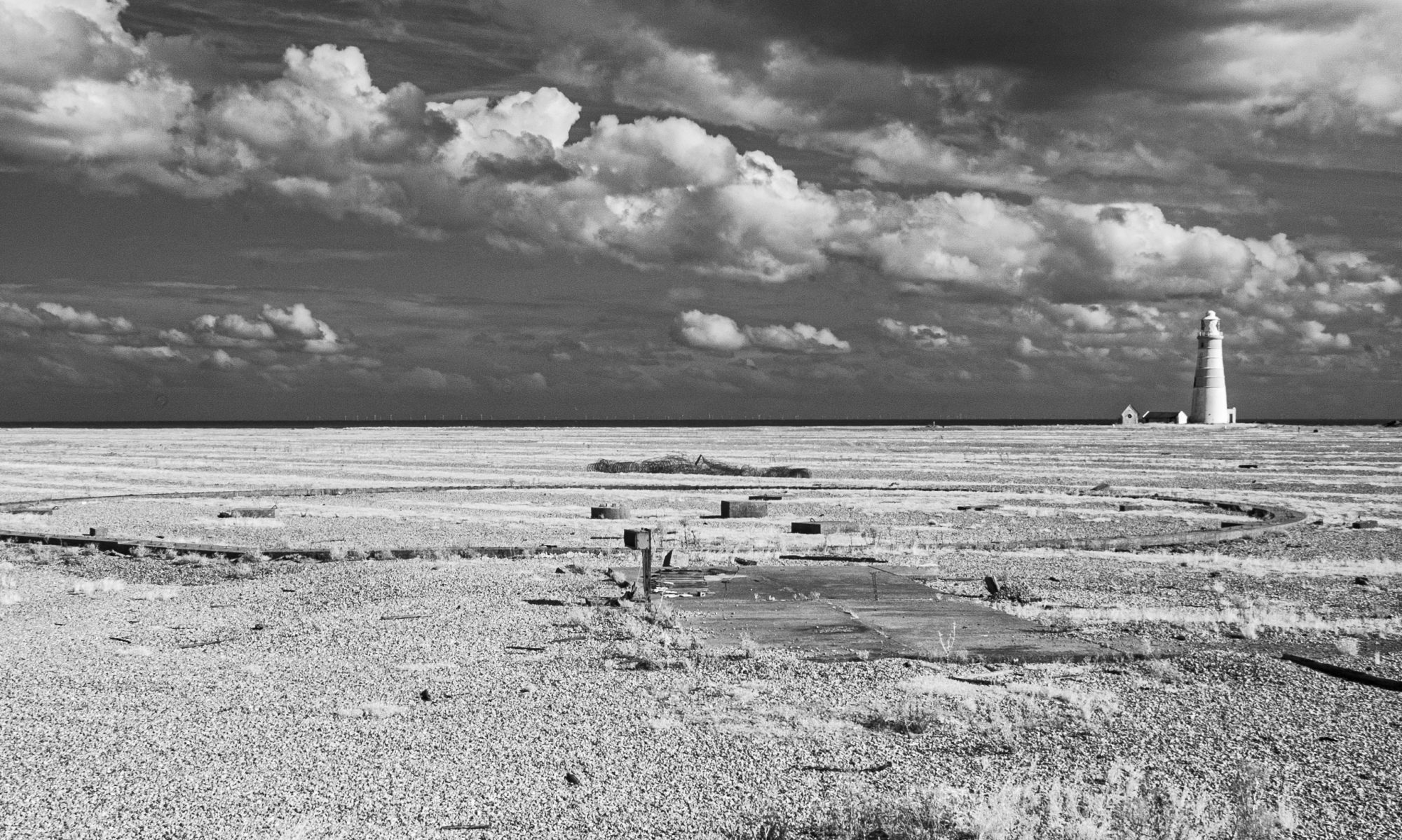
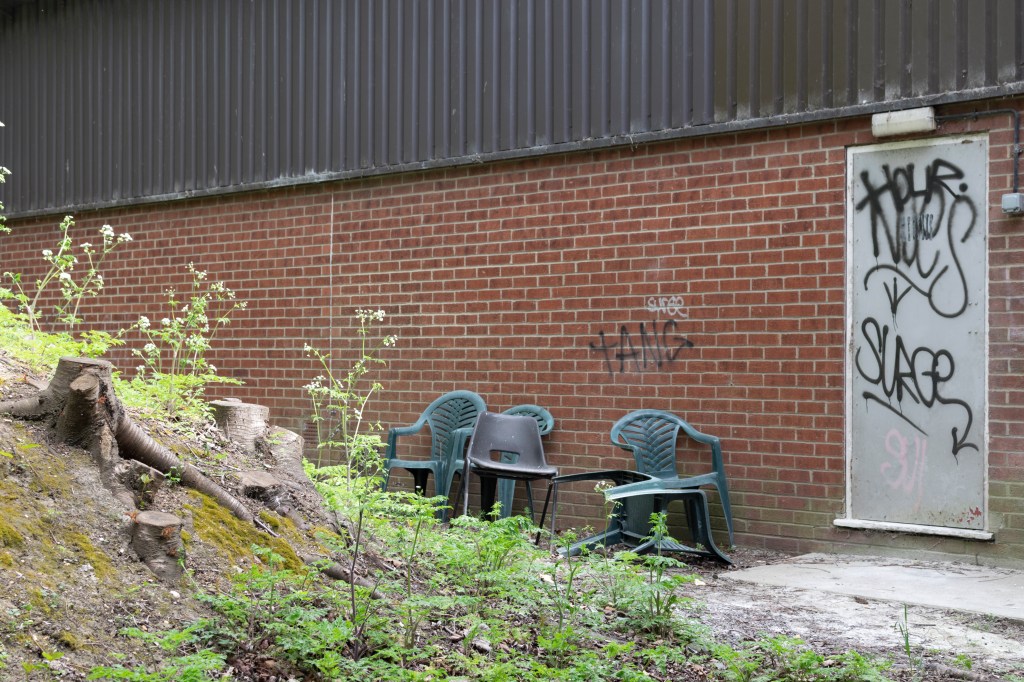
And then there are those left over spaces. The bits left behind after supermarkets are built. Often these spaces are left to their own devices and as a consequence evolve their own ecosystem. It could be argued that these are the true natural and wild spaces which often boast a diversity of small mammals, wildflowers and birds. These spaces have been termed, ‘edgelands’.
The expanses of no-man’s-land which have sprung up on the margins of our towns and cities play host to a mix of uses characteristic of our age. Rough and ready in the naked functionalism of their edifices and in the lawlessness and vigour of their natural vegetation, these places are unappreciated by the arbiters of landscape taste, but they too have their story and their needs. The time has come to give these ‘edgelands’ their due and recognise them as landscapes in their own right.
(Shoard, 2003)
Wire
The edgelands are a complex mix of fiercely guarded private ground and common land by default, or by neglect. And the history of these places is held in their wires.
(Farley and Roberts, 2011)
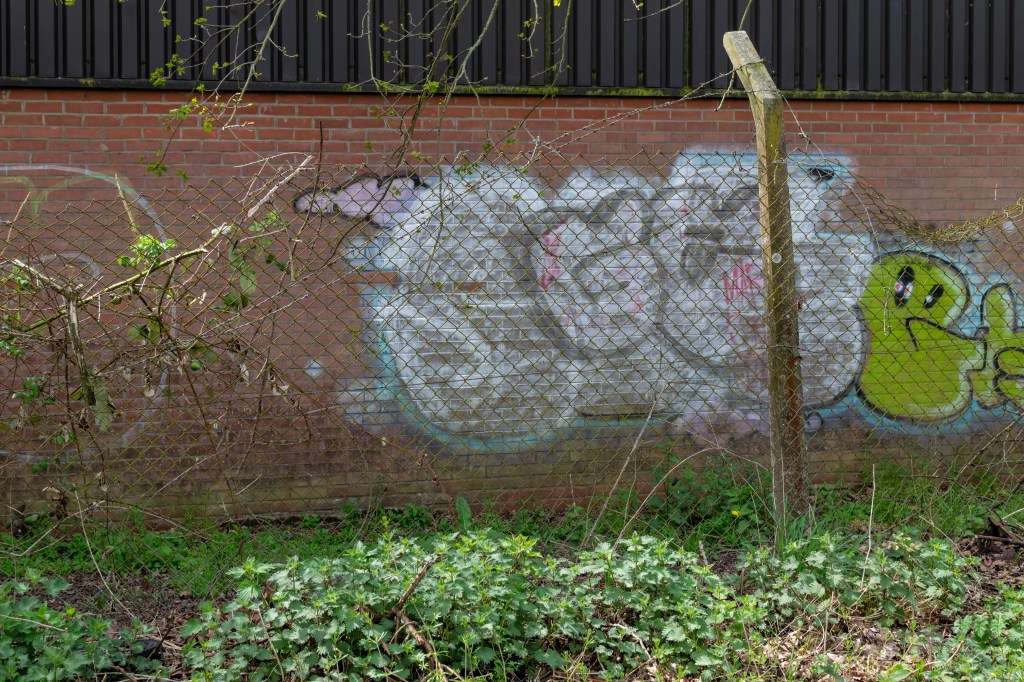
Farley and Roberts in the Chapter ‘Wire’ make reference to the amount of wire fences within edge land spaces. A single wire or perhaps a wire netted fence offers little deterrent to youngsters who make these areas their playground. Barbed or razor wire signifies danger but also a challenge for the brave. They make reference to ‘Greenham Common, a US airbase that housed Britains nuclear deterrent which of course was fortified by dangerous wire fencing.
Our landscape is covered in wire. In the main this signifies boundaries some more definitive than others. Fences will often have stories to tell, some maybe childhood memories and some house tributes to those who have suffered accidents or crime.
Power
In one sense, all power stations are Cathedrals of the Electric Light Bulb and kettle.
(Farley and Roberts, 2011)
We might regard them as blots on the landscape but sadly power stations, their towering structures often with unknown ‘smoke’ bellowing out of them are vital to our routine household activities, in fact most of our daily life. On one hand, we can find a kind of beauty in their structures and consider them as symbols of our advancement. On the other of course, ecological disaster and a civilisation out of control.
Power stations, sewage plants and other industrial businesses have tended to sit within edgeland spaces on the outskirts of urban areas. Nuclear power stations have tended to be built on the coast to make use of the cooling element of seawater. Environmental and ecological concerns and also concerns of contamination, air quality etc have pushed us to find ‘greener’ methods of energy production however what this now means is that wind farms are cropping up within our rural spaces as if somehow that’s ok because they are green technologies and the mass of population in urban areas don’t have to look at them.
References and Bibliography
- Oca-student.com. (2020). [online] Available at: https://www.oca-student.com/sites/default/files/oca-content/key-resources/res-files/wire_050313.pdf [Accessed 25 Feb. 2020].
- Oca-student.com. (2020). [online] Available at: https://www.oca-student.com/sites/default/files/oca-content/key-resources/res-files/power_050313.pdf [Accessed 25 Feb. 2020].
- Shoard, Marion. “The edgelands. (Cover Story).” Town and Country Planning, vol. 72, no. 4, May 2003, p. 122+. Gale Academic OneFile, https://link-gale-com.ucreative.idm.oclc.org/apps/doc/A104682332/AONE?u=ucca&sid=AONE&xid=28d1bba2. Accessed 25 Feb. 2020.
 Landscape, Place and Environment