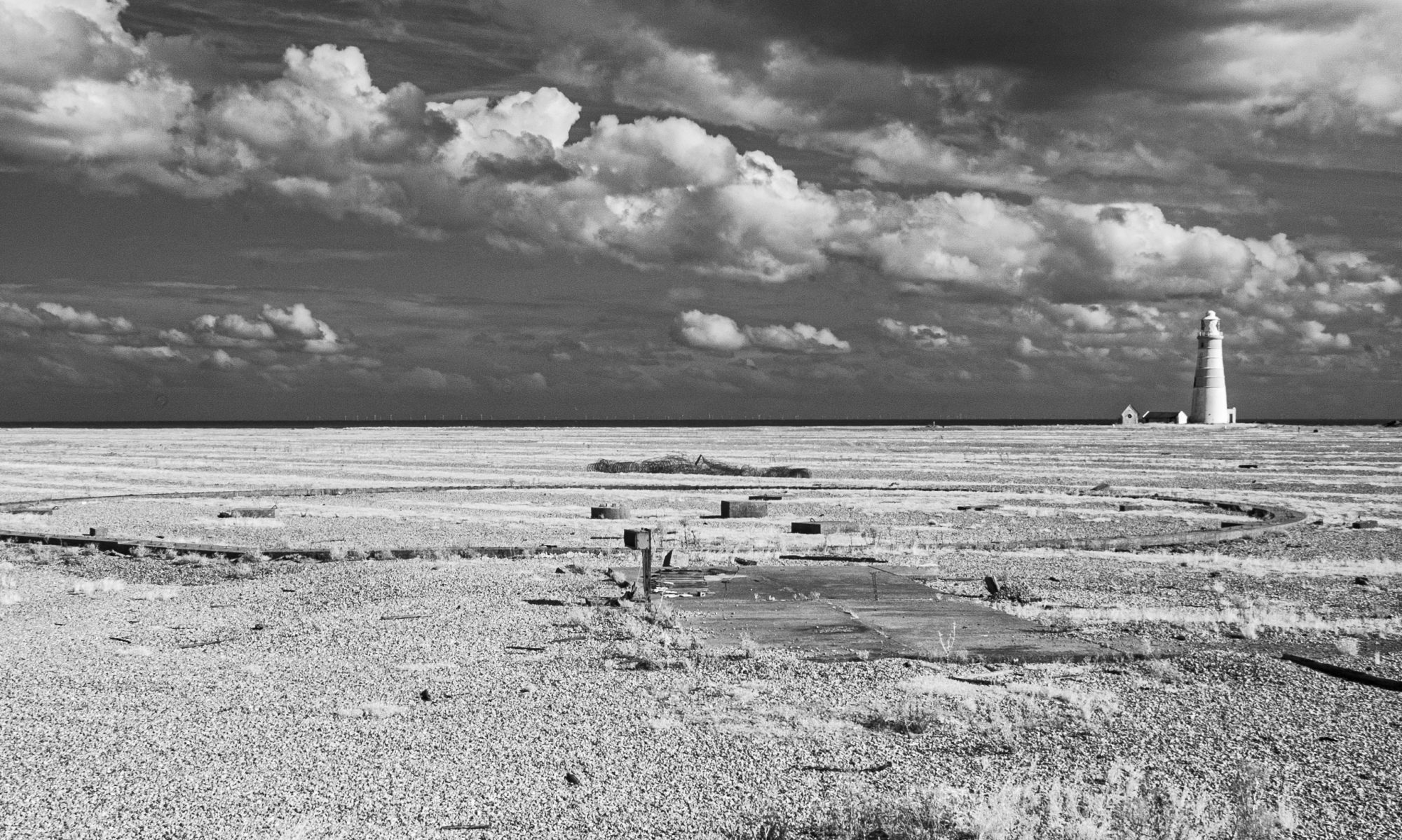
Firstly we must put the essay by Zayas into it’s historical context. Photography was a relatively new invention and the camera primarily a scientific instrument. What had preceded the turn of the 20th century had been an era of romanticism with impressionist and post impressionist artists. In many ways Art responded to the industrial revolution with abstract, cubist, expressionist work that reflected the increasingly mechanised world.
Photography, pure photography, is not a new system for the representation of Form, but rather the negation of all representative systems, it is the means by which the man of instinct, reason and experience approaches nature in order to attain the evidence of reality.
de Zayas, M. (2019)
In many ways, Art was rejecting the reality of form but rather dissecting and experimenting with space and form.
Form – In relation to art the term form has two meanings: it can refer to the overall form taken by the work – its physical nature; or within a work of art it can refer to the element of shape among the various elements that make up a work
(Tate, 2019)
De Zayas makes the distinction between a ‘photographer’ and an ‘artistic photographer’. I think it is the same discussion that we have today which is the difference between ‘a picture of a thing/scene’ or an image that has a narrative beyond what is represented.
Stieglitz
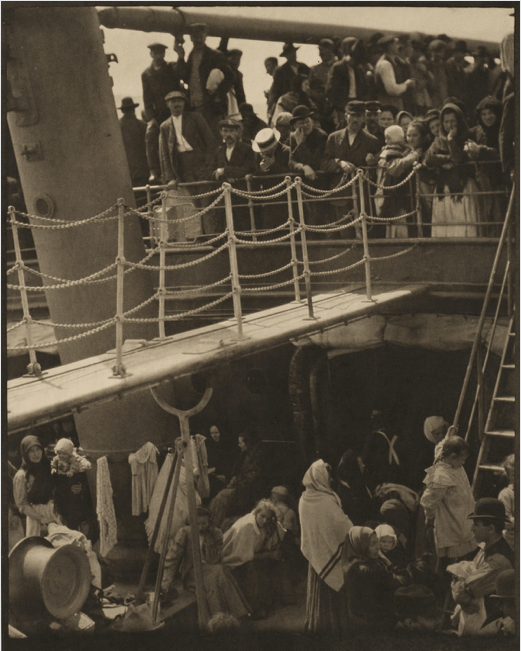
De Zayas praises the work of Alfred Stieglitz as an example of how the medium of photography could transcend that of pure representational form. The above image, ‘Steerage’ is seen as a ‘modernist’ image with a nod to cubism in it’s scattering of forms and depths and was displayed alongside Picasso’s cubist drawings in ‘Camera works’ magazine in 1911. (Metmuseum.org, 2019)
The artist photographer in his work envelops objectivity with an idea, veils the object with the subject. The photographer expresses, so far as he is able to, pure objectivity. The aim of the first is pleasure; the aim of the second, knowledge. The one does not destroy the other.
de Zayas, M. (2019)
I have always believed there is room for everything and I think in a way de Zayas is saying that with “one does not destroy the other”. I wonder what de Zayas would make of photography now, particularly how images are used. The ‘perfect’ instagram beauty shot or the image as a political weapon.
I believe art and photography share the same platform as a means of non-verbal communication and discussion which helps us make sense of the world but sometimes it’s ok just to view a simple representation of a ‘thing’.
- de Zayas, M. (2019). [online] Journal1913.org. Available at: http://www.journal1913.org/pdfs/1913_issue2.pdf [Accessed 11 Dec. 2019].
- Tate. (2019). Form – Art Term | Tate. [online] Available at: https://www.tate.org.uk/art/art-terms/f/form [Accessed 11 Dec. 2019].
- Visual-arts-cork.com. (2019). Modern Art Movements (1870-1970). [online] Available at: http://www.visual-arts-cork.com/modern-art-movements.htm#expressionism [Accessed 16 Dec. 2019].
- Metmuseum.org. (2019). [online] Available at: https://www.metmuseum.org/toah/works-of-art/33.43.419/ [Accessed 16 Dec. 2019].
 Landscape, Place and Environment